The act of forgiveness is interesting to me. I don’t hold grudges well and I tend to forget about grievances. Maybe it’s because I’m sentimental in nature. One thing I understand is forgetting and forgiving isn’t the same thing. If you forget, issues will build up over time, and cause resentment. To avoid long term resentment in my life I’ve made the conscious choice to forgive everyone who I felt slighted me in the past. It doesn’t matter whether they apologized or not. Personally, I realized most of the issues or conflicts came from setting expectations of the situation or people involved too high. People are people at the end of the day. No point in stressing over things that aren’t life-altering (meaning it won’t matter after five years)
With that said I thought about what it meant to apologize and how I go about it. I will use movie and song references in this post to get my point across.
First, to apologize sincerely to me requires 4 different steps:
You must forgive yourself first for making the mistake.
You must atone and take action to change yourself to avoid committing the offence you seek forgiveness for again.
You apologize to the person who was harmed.
You live with the results.
Forgiving yourself
You must forgive yourself and acknowledge your own actions. I can’t state this enough accountability is the most important thing for an adult to develop as early as possible.
Atonement
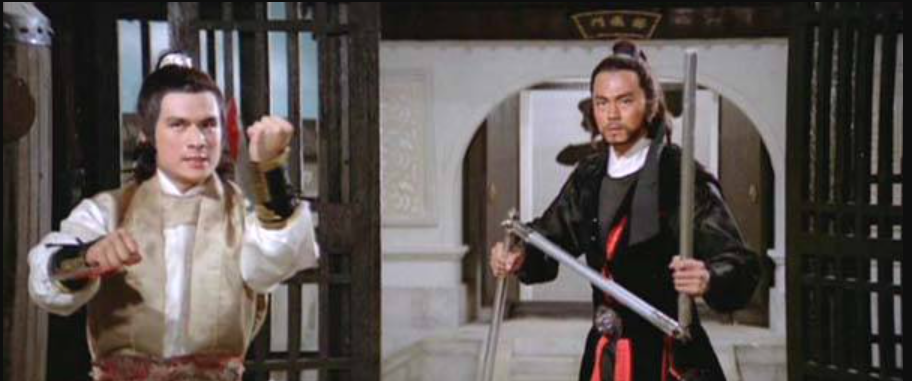

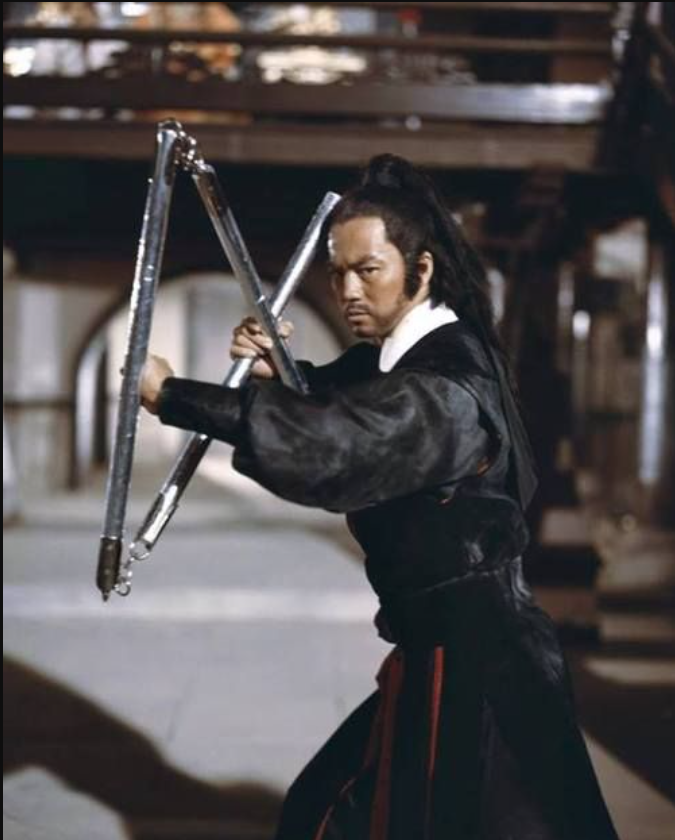
A deeply personal movie for me is the Shaw Brothers classic The Avenging Eagle (1978).
In the film, Qi Mingxing (played by Ti Lung) is on the run from a bandit organization known as the Iron Boat Clan. After a job goes wrong, Qi is left on the brink of death but is rescued and nursed back to health by a family that finds him.
During his time with them, Qi begins to reflect on his life and eventually falls in love with one of the daughters. However, the family turns out to be an enemy of the Iron Boat Clan. This discovery sparks a conflict that ends with the family being slaughtered right in front of him, permanently changing his outlook on life.
Following their deaths, Qi is overcome with guilt and fear. He begins seeking forgiveness, but his true breaking point comes later. While still grieving the family and the woman he loved, he is forced to participate in another attack carried out by the gang. Under immense pressure, he kills a pregnant woman because refusing to do so would have meant his own death.
The woman's husband, Zhuo Yifan (played by Alexander Fu Sheng), survives. Qi does not know who Zhuo is when they first meet. Determined to destroy the Iron Boat Clan, Qi sets out on his mission, and Zhuo unexpectedly joins him because he also desires revenge against the gang.
As they travel together, Qi eventually confesses everything. After hearing the full story, Zhuo chooses not to kill him. Instead, he forgives him.
Yet that forgiveness is not enough for Qi.
In the end, Qi receives forgiveness from Zhuo Yifan, but he still insists that Zhuo kill him so that he can fully atone for his sins.
I bring this movie up because it highlights something I believe is essential when seeking forgiveness: action.
It is my personal belief that genuine remorse requires a change in behavior. Words alone are not enough. Qi renounced the gang that had shaped his life, actively fought against them, and helped bring them to justice. Zhuo forgave him and was willing to spare his life because he saw that transformation.
To me, that is what separates regret from repentance.
There's no point in apologizing if you fully intend to commit the same offense again. An apology without change is little more than an attempt to relieve your own guilt.
Likewise, you should never force an apology from someone else. You can communicate your hurt, but you cannot demand sincerity. If an apology does not come from personal reflection and genuine conviction, it is unlikely to be meaningful.
Forgiveness, at its best, is not about saying the right words. It is about recognizing the harm you caused, taking responsibility for it, changing your behavior, and accepting whatever consequences remain. Whether forgiveness is granted or not, the obligation to grow still belongs to the person seeking it.
Seeking Forgiveness and Living with results

“Abandonment issues I'm gettin' treated for
How much water can I fit under the bridge before it overflows?
My son's gotta learn that forgiveness is a lonely road”
- Drake on Churchhill Downs
Forgiveness is indeed a lonely road. You cannot tell someone how to react to the harm that was done to them.
I do not consider myself a bad person, but even I have wronged people in my life. In fact, I can think of three distinct people. Two of them were people I considered close friends, and the third was someone I knew through another friend.
Over the years, I reached out to all three and offered sincere apologies. The results varied:
Person A: Accepted the apology, and we remained friends.
Person B: Accepted the apology, but we did not remain friends.
Person C: Did not accept the apology.
Because I had already forgiven myself, I recognized that none of these people owed me the same courtesy. They were under no obligation to accept my apology, restore our relationship, or provide me with the closure I wanted. Forgiveness is a choice, and everyone carries their pain differently.
Saying "I'm sorry" and genuinely meaning it does not magically fix the damage that was done. Some people heal with time. Some people need distance. Some people never fully heal at all.
For me, the most important thing was recognizing that I had grown beyond the person who committed those mistakes. I took solace in knowing that I had set my pride aside and made a sincere effort to right my wrongs. Whether my apology was accepted or rejected, I had done what I believed was necessary.
That was enough for me to move forward.
Conclusion
In life, I believe that self-reflection and taking ownership of your mistakes are essential for genuine personal growth.
It is easy to focus on how others have harmed us and use those experiences as explanations for why we ended up in a difficult situation. While those harms may be real, I believe true growth comes from examining our own choices first.
One question I often ask myself is: Why did I allow myself to be in a position where that harm could occur?
That does not mean blaming yourself for everything. Rather, it means identifying what was within your control and learning from it.
Every bad decision I have made has taught me something about myself. While I cannot control what others choose to do, I can take full responsibility for my own actions and the consequences that follow.
At the end of the day, that is what forgiveness, accountability, and personal growth all have in common. They require honesty. Not honesty about what someone else did to you, but honesty about who you are, who you were, and who you are trying to become.
You can watch Avenging Eagle here completely free: Avenging Eagle 1978 - Twitch